Tracking Line Shifts from Morning to Post Time in Harness Racing at Yonkers Raceway
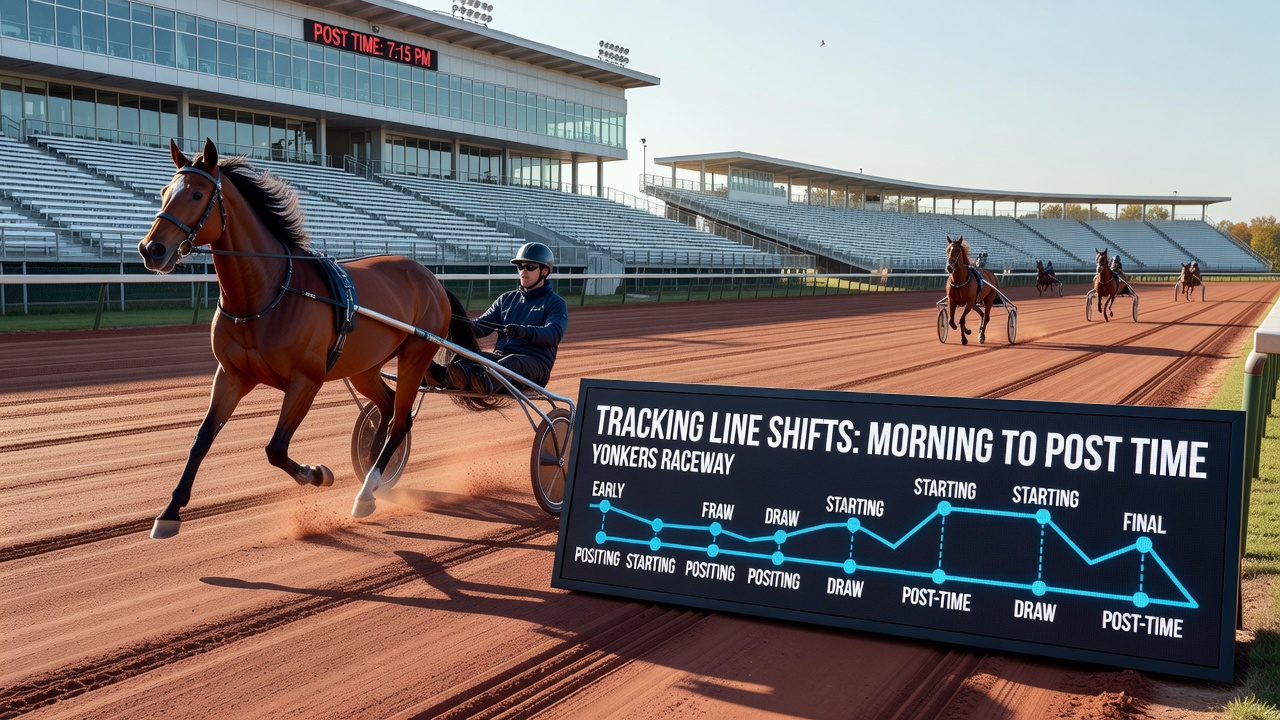
Line movement in harness racing at Yonkers Raceway follows predictable patterns that begin with morning lines released by track oddsmakers and continue through betting windows until post time. Observers note that these shifts reflect public wagering volume, late money from professional syndicates, and adjustments based on scratches or driver changes. Data from the New York State Gaming Commission shows that Yonkers cards typically feature eight to ten races per program, with morning lines posted around 10 a.m. for evening cards that begin at 6:45 p.m.
How Morning Lines Form the Baseline
Morning lines at Yonkers Raceway represent the track's initial assessment of each horse's probability of winning, and these figures serve as the starting point for all subsequent movement. Oddsmakers incorporate past performance data, driver statistics, post position history, and track conditions when setting those numbers. Research from the United States Trotting Association indicates that morning lines at Yonkers tend to open with favorites between 2-1 and 5-2 for most races, while longer-priced horses often sit between 8-1 and 20-1 depending on class level.
Those lines remain fixed until betting opens, which occurs approximately ninety minutes before the first race. During this window, no actual wagering influences the board, yet trainers and owners monitor early line movement at simulcast outlets where early money sometimes appears. Patterns emerge when a horse's morning line of 6-1 drops to 4-1 within the first thirty minutes of betting, signaling early support from sharp players who have access to additional information not reflected in the initial assessment.
Factors Driving Line Movement Throughout the Day
Multiple variables cause lines to shift between morning and post time at Yonkers Raceway. Driver changes announced after scratches represent one primary catalyst, since a switch from a 15 percent driver to a 25 percent driver can compress odds quickly. Weather conditions also play a role; rain that alters the surface from fast to sloppy frequently moves horses with proven wet-track records inward while pushing others outward. Equipment changes, such as the addition of trotting hobbles or blinders, appear on the official program and can trigger immediate reaction from bettors who track these details.
Volume of handle provides another measurable indicator. When total betting on a particular race exceeds seasonal averages by 30 percent or more, lines tend to stabilize earlier because larger pools absorb late money without dramatic swings. Conversely, races with lighter handle often experience wider fluctuations in the final fifteen minutes before post, as smaller amounts of money create larger percentage impacts on the tote board.
Typical Movement Patterns Observed at Yonkers
Historical data compiled across multiple Yonkers meetings reveals consistent movement categories. Favorites that open at 5-2 or shorter usually drift outward by one or two betting increments if no significant late money arrives, while horses opening between 6-1 and 10-1 show the widest variance. One documented pattern involves horses dropping from 8-1 morning line to 5-2 or 3-1 by post time when professional syndicates concentrate wagers in the final ten minutes. These late surges occur most frequently on Wednesday and Thursday cards when overall handle runs lighter than weekend programs.
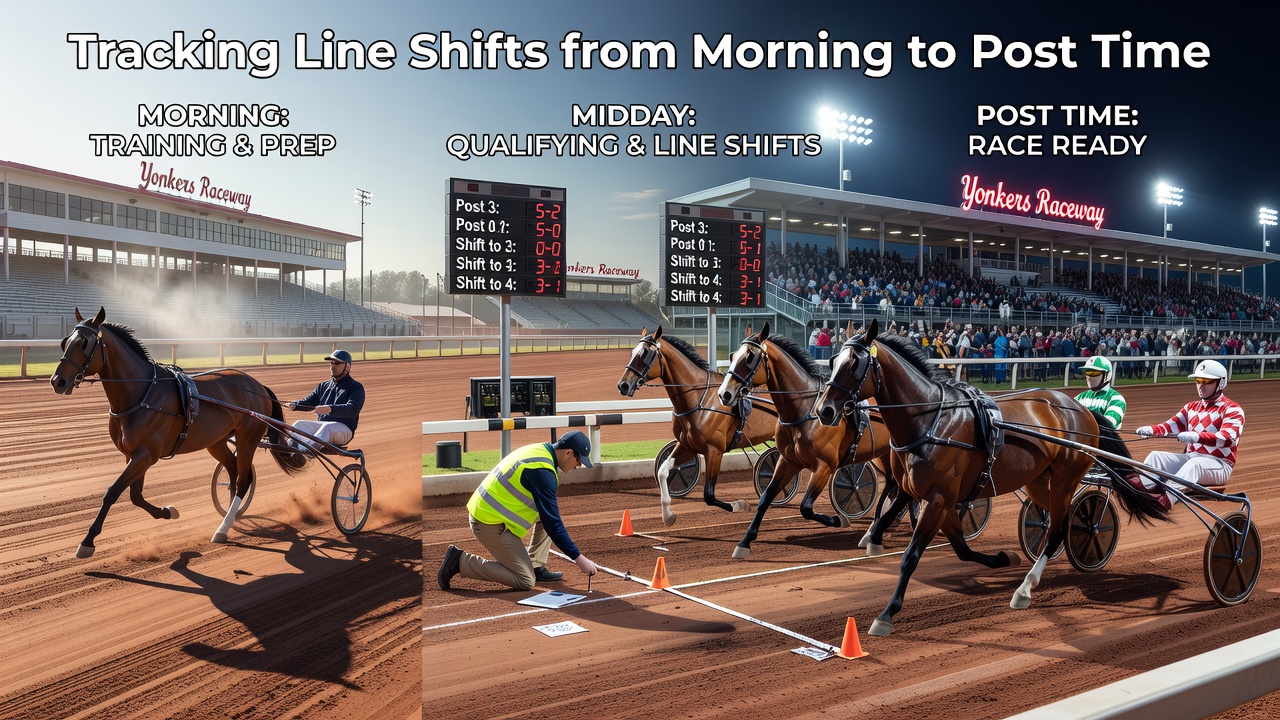
Another recurring pattern appears with horses that have shown sharp recent form at other tracks. When a shipper from the Meadowlands or Pocono Downs enters a Yonkers conditioned event, its morning line often underestimates public support, leading to steady inward movement throughout the afternoon. Track records indicate that such horses compress an average of three betting increments between opening and post time during the summer months.
Tools and Data Sources for Monitoring Shifts
Bettors who track line movement at Yonkers Raceway rely on a combination of official sources and commercial services. The track's own website publishes live odds updates every thirty seconds once betting opens, while several third-party platforms aggregate data across multiple simulcast outlets. The Racing Data and Analytics division of the United States Trotting Association releases monthly reports that quantify average line movement by class and surface condition, allowing observers to identify deviations from established norms.
During the July 2026 meeting, the track introduced enhanced real-time data feeds that display not only current odds but also the volume of wagers placed in each pool during the preceding minute. This information helps identify whether movement stems from public money or concentrated action from a limited number of accounts. Observers who monitor these feeds note that certain post positions, particularly the outside seven and eight slots in sprint distances, experience more volatile movement than inside posts because public perception of post bias shifts rapidly once betting begins.
Conclusion
Line shifts from morning to post time at Yonkers Raceway reflect the interaction of initial assessments, public wagering patterns, and late adjustments based on updated information. Those who study historical movement data alongside current handle figures gain a clearer picture of how odds evolve throughout each program. The patterns remain consistent enough across seasons that systematic tracking provides measurable insight into the dynamics that shape final betting boards at the track.