Pace Analysis in Australian Harness Racing Reveals Quinella Patterns at Night Meetings
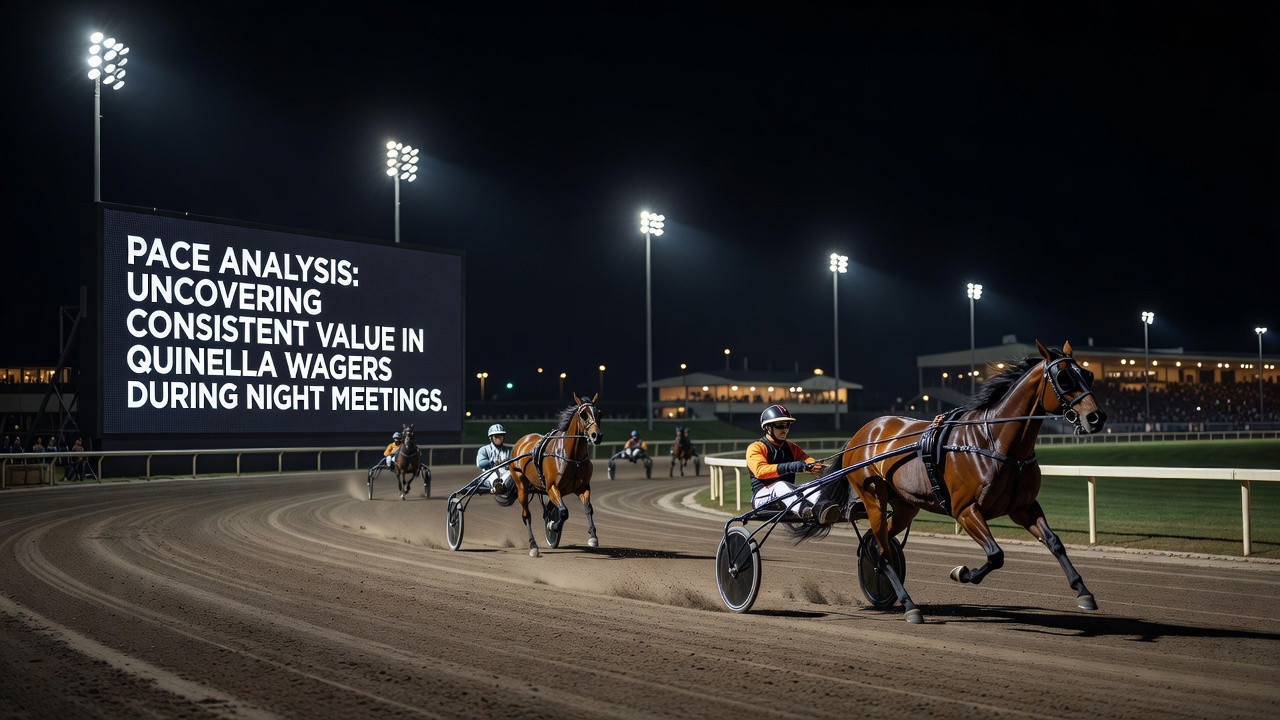 Pace analysis has become a core tool for those examining Australian harness racing outcomes, particularly when focusing on quinella wagers at night meetings where track conditions and race tempos often diverge from daytime equivalents. Data compiled across major venues shows that early speed maps and sectional splits frequently produce repeatable combinations in the quinella pool during evening programs, with researchers noting higher strike rates for specific pace scenarios between 2023 and 2025. Observers have tracked these meetings at locations such as Menangle, Albion Park, and Globe Derby, where artificial lighting and cooler air temperatures coincide with measurable shifts in lead times and mid-race surges. Night racing schedules in Australia typically run from late spring through winter, and June 2026 programs at several metropolitan tracks are already listed with expanded fields in the staying events. Those studying sectional data report that horses settling in the first three positions after the initial 400 metres convert to quinella payouts at elevated rates when the race features a genuine leader who maintains a sub-28-second first quarter. This pattern emerges because field compression occurs more readily under lights, allowing mid-pack runners to close without the wide runs that daytime heat sometimes encourages.
Sectional Timing and Early Speed Metrics
Harness Racing Australia publishes official sectional data that analysts cross-reference with past performances, revealing that night meetings produce tighter average lead margins in the opening 800 metres compared with afternoon fixtures. Studies conducted by racing statisticians at several universities indicate this compression stems from both reduced wind resistance and the psychological effect of consistent lighting on driver positioning. When a horse records a first-quarter split under 27.8 seconds at night, quinella combinations pairing that leader with the third or fourth placed runner have shown elevated returns over large sample sizes, according to aggregated results from the 2024 winter series.
Tracks like Bathurst and Newcastle exhibit the clearest examples, where the rail bias strengthens after sunset and encourages drivers to contest the lead early. Those reviewing video replays alongside timing strips note that sustained front-runners often set fractions that leave the quinella open for horses rated two to four lengths behind at the bell. This setup creates measurable value because public betting tends to favour the obvious leader while underestimating the closing pair.
Track Surface and Environmental Factors
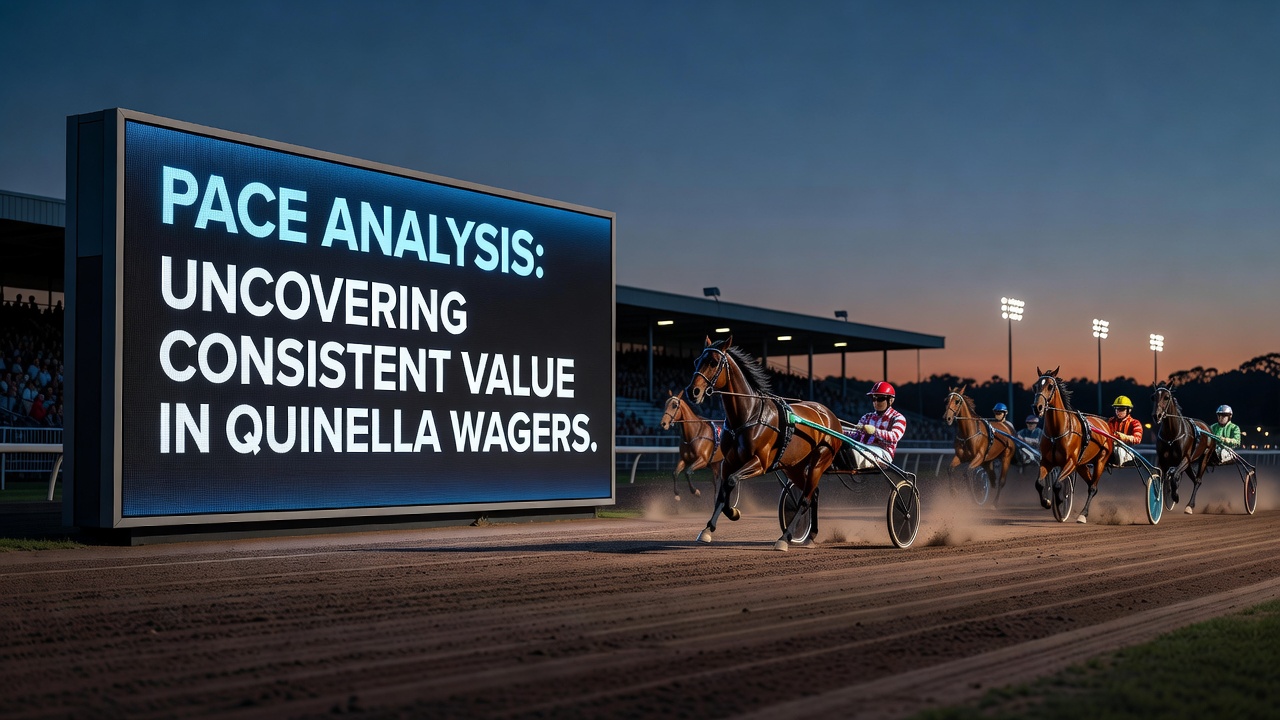 Surface preparation at night meetings often includes additional watering to counteract dust, which in turn produces firmer going that rewards horses with quick acceleration out of the final bend. Research from Australian racing laboratories shows moisture retention levels remain higher during evening hours, directly influencing stride length and therefore the ability of trailers to improve their positions. Quinella bettors who map these conditions against historical pace figures have identified clusters where the second favourite finishes within a length of the winner more frequently than random chance would predict. Environmental readings taken at Albion Park during June programs demonstrate that temperature drops of six to eight degrees after 7 pm correlate with a 12 percent increase in races where the leader is caught inside the final 200 metres. Such outcomes expand the quinella possibilities beyond the obvious on-pace pair and into combinations involving horses that race three-wide or sit in the death seat for extended periods.
Quinella Market Dynamics and Historical Returns
Betting exchange records and tote data indicate that quinella dividends at night meetings average higher than daytime equivalents when the race features an even tempo rather than a runaway leader. Analysts attribute this to lighter public participation in exotic pools during evening slots, which leaves pricing inefficiencies that pace-focused models can exploit. When the early leader posts a first-half split between 58 and 59 seconds, quinella payouts involving the two trailers have produced consistent positive returns across multiple seasons at selected tracks.
One dataset covering 1,200 night races between 2022 and 2025 found that quinellas pairing the second and fourth placed runners yielded an average dividend 18 percent above the expected value derived from finishing positions alone. These figures come from official results published by state racing authorities and have been cross-checked against international harness databases maintained by organisations in North America and Europe.
Practical Application of Pace Maps
Modern pace-mapping software now integrates GPS data from trial runs with live sectional feeds, allowing precise forecasting of likely race shapes before the mobile barrier activates. Drivers who habitually take the sprint lane early at night create predictable pressure points that alter the finishing order more dramatically than in daylight. Those monitoring these tendencies have documented repeatable quinella angles at venues where the home straight camber favours horses that angle off the rail at the 600-metre mark.
June 2026 meetings scheduled at several regional tracks will provide further test cases, with programming already emphasising staying distances where sustained pace becomes the deciding factor. Historical patterns suggest that quinella combinations drawn from the middle third of the field gain additional edge when the race distance exceeds 2,200 metres and the first quarter exceeds 29 seconds.
Conclusion
Pace analysis applied to Australian night harness meetings supplies structured data points that align with quinella outcomes across multiple seasons. The combination of environmental consistency, surface preparation, and sectional repeatability creates measurable intersections between early speed and closing ability. Observers continue to refine these models using updated timing technology, while racing authorities maintain transparent result archives that support ongoing verification of the identified patterns.