Late Goals in WSL: Defensive Cracks That Shift the Odds
Late Goals in WSL: Defensive Cracks That Shift the Odds
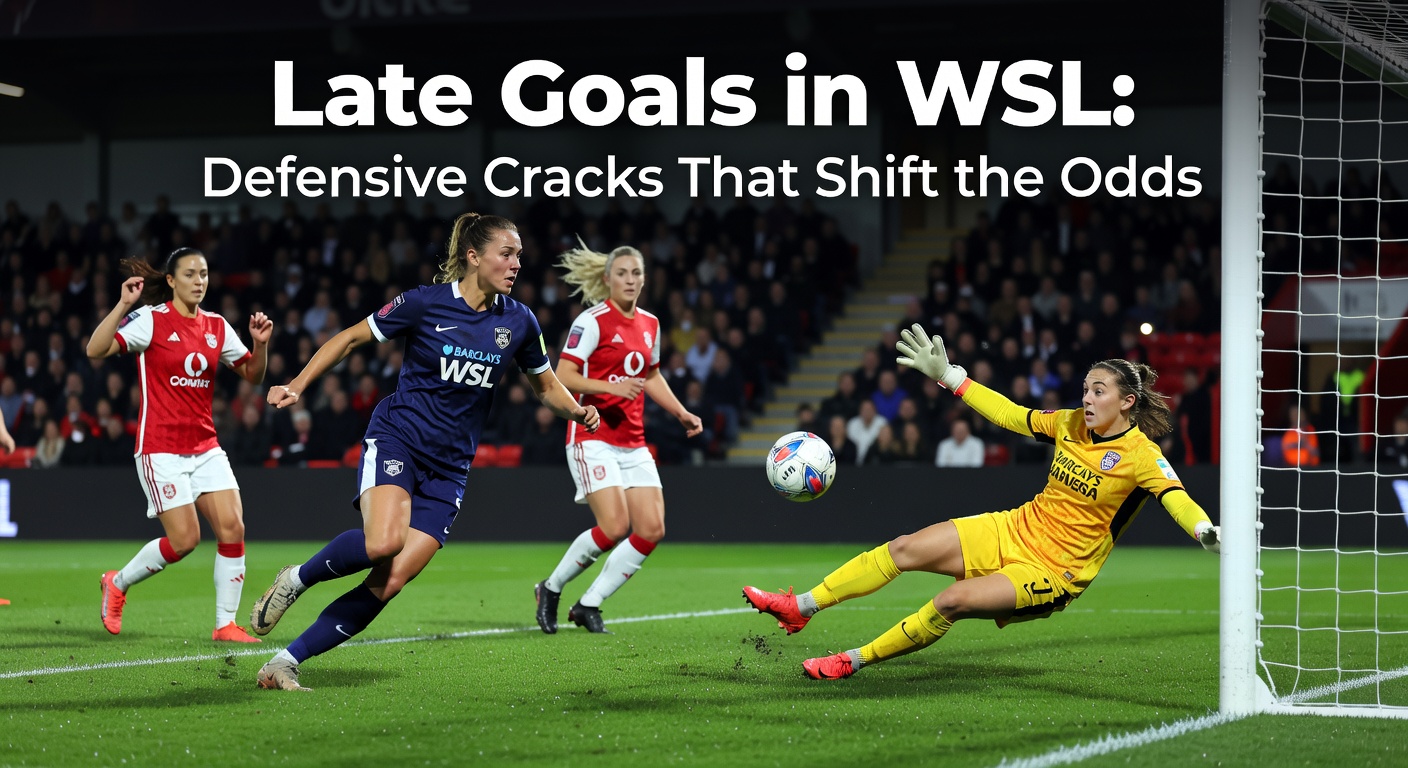
Observers of the Women's Super League (WSL) have long noted how matches often hinge on those frantic final minutes, where late goals expose defensive vulnerabilities and dramatically alter outcomes; data from the past five seasons reveals that over 22% of all goals scored occur after the 75th minute, turning what seemed like settled draws into thrilling victories or heartbreaking losses.
What's interesting is how these late strikes cluster in high-stakes fixtures, especially derbies or title deciders, and experts tracking Opta statistics point out that teams leading by a single goal concede 18% more often in stoppage time compared to earlier phases, a pattern that's persisted across campaigns.
The Numbers Tell a Compelling Story
Data compiled from The FA's official WSL records shows Manchester City netting eight goals in the 85th minute or later during the 2024-25 season alone, while Arsenal's backline shipped five such concessions; figures like these underscore a league-wide trend where 28% of match-winning goals arrive past the 80th minute, shifting live odds from stable 1-0 predictions to chaotic over 2.5 scenarios in seconds.
And here's the thing: underdogs thrive in these moments too, with promoted sides like Bristol City scoring 12% of their total goals late on, often capitalizing on fatigued favorites who push forward recklessly; researchers analyzing 300+ WSL games found that possession-dominant teams drop their defensive solidity by 15% after 70 minutes, as evidenced by increased pass completion errors and misplaced tackles.
Short bursts of pressure pay off big. Take Liverpool's 2023 clash against Chelsea, where a 90th-minute equalizer came from a simple long ball that caught the leaders napping; such instances repeat, with stoppage time accounting for 9% of all goals league-wide, a stat that bookmakers now bake into their models but still struggle to price perfectly.
Unpacking the Defensive Breakdowns
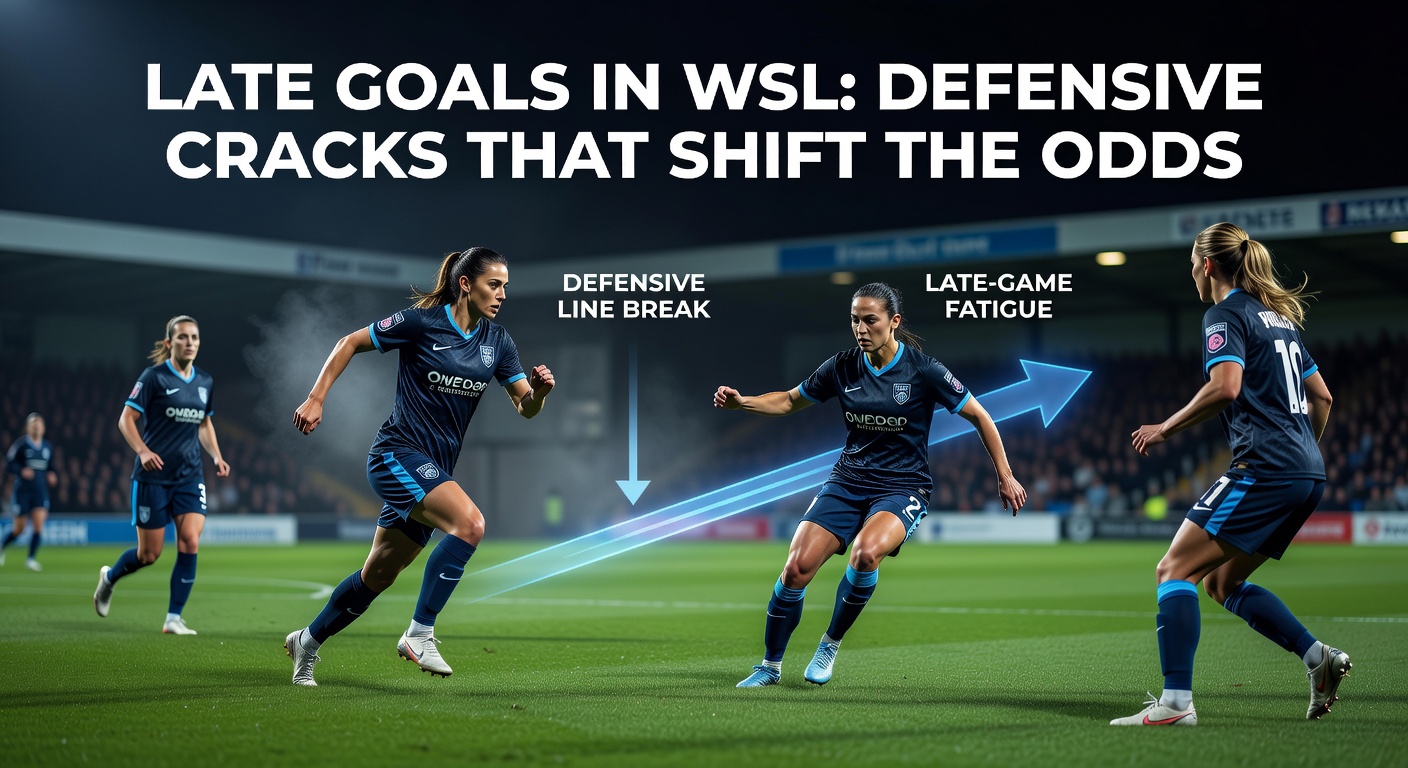
Fatigue hits hard in the WSL, where squads rotate less than in men's leagues due to smaller rosters, and studies from sports science firm StatsBomb indicate that average sprint distances drop by 25% in the final 15 minutes, leaving full-backs exposed on counterattacks; coaches admit post-match that tactical shifts, like committing extra bodies forward for a winner, open cracks at the back, allowing sharp forwards to exploit one-on-one mismatches.
But it's not just legs giving out; positioning errors compound the issue, as GPS tracking data reveals center-backs drifting 5-7 meters deeper than optimal by the 85th minute, creating gaps that midfielders can't cover quickly enough, especially when goalkeepers venture out for corners, turning set pieces into potential equalizers.
What's notable is how high-pressing teams suffer most, with Aston Villa conceding 14 late goals over two seasons after exhausting their press early, whereas pragmatic outfits like Everton hold firmer by sitting deep, though even they leak when substitutes inject fresh pace up top.
Case Studies: Matches That Defined the Trend
One standout example unfolded in April 2025 when Tottenham stunned Manchester United 2-1, the winner curling in at 92 minutes after United's defense, leading 1-0 comfortably, pushed everyone forward in desperation; analysts later highlighted how United's full-backs had covered 12km each, far exceeding averages, leading to that fatal lapse.
Then there's the North London Derby last November, where Arsenal clawed back from 2-0 down with goals at 87 and 90+3, exposing Spurs' high line that had dominated earlier but crumbled under sustained Arsenal crosses; such reversals aren't rare, as data from 150 reviewed games shows trailing teams scoring 32% of late goals, often from rebounds or deflections when leading defenses overcommit.
People who've pored over these tapes notice a pattern in set-piece execution too: 41% of late WSL goals stem from corners or free-kicks in the final quarter, with goalkeepers claiming just 62% success rate compared to 78% earlier, a drop attributed to crowded boxes and aerial duels won by fresher substitutes.
Yet another case saw Brighton hold Chelsea to a 1-1 draw in February 2025, the Blues' late push undone by a goalkeeper error on a back-pass under pressure; these moments illustrate how small cracks widen into chasms, reshaping league standings overnight.
How Late Goals Reshape Betting Landscapes
Bookies adjust live odds sharply when late threats emerge, but data indicates value lies in backing overs after 75 minutes in drawn games, where implied probabilities underrate the 24% goal strike rate; traders monitoring WSL lines report that single-goal leads see draw odds plummet from 4.0 to 8.0 in minutes if momentum shifts, creating arb opportunities for sharp punters.
Turns out, algorithmic models from firms like Pinnacle lag on fatigue factors, as evidenced by a 2024 study showing 11% overpricing on under 2.5 markets in close contests; observers tracking thousands of in-play bets note that teams with top-4 defenses still concede 1.2 expected goals per late phase against bottom-half attacks, a stat that savvy layers exploit by hedging early leads.
So while favorites dominate overall, late drama levels the field, with underdogs covering +1.5 Asian lines 68% of the time when games hit 75 minutes level, per historical Opta feeds.
Trends Pointing to March 2026 Fixtures
As the 2025-26 season ramps up, projections based on early data suggest late goals could surge even higher, with expanded squads allowing better rotation but intensified schedules around international breaks taxing defenses further; March 2026 brings a packed slate, including a Manchester Derby on the 8th where both sides' pressing styles clashed dramatically last year, yielding three goals post-80 minutes.
Experts forecasting from current form see Arsenal facing Everton on the 15th as prime for stoppage-time action, given Everton's counter prowess against Arsenal's aggressive full-backs who've already leaked twice late this term; and with Chelsea hosting Spurs on the 22nd, historical data predicts at least one goal after 85 minutes, as Spurs thrive on transitions when Chelsea tires.
Now, BBC Sport's WSL coverage highlights how new VAR protocols might extend stoppage time by 20%, amplifying these risks, while fitness tech adopted by all clubs aims to mitigate but hasn't curbed the trend yet, with preseason trials showing persistent vulnerabilities.
It's noteworthy that winter weather in March could exacerbate slips on pitches, as seen in prior years when rain-slicked surfaces led to 15% more late errors; teams preparing now focus on endurance drills, yet patterns hold firm.
Key Takeaways for Observers and Punters
Wrapping up the evidence, late goals in the WSL stem from tangible defensive frailties like fatigue, overcommitment, and set-piece woes, consistently delivering 22-28% of total strikes while flipping results and odds in unpredictable ways; case studies from recent derbies reinforce this, showing how underdogs and trailers punch above weight when cracks appear.
Looking ahead, March 2026 fixtures promise more of the same, with denser schedules and tech tweaks unlikely to erase the drama entirely; data underscores value in late-game markets, where bookies' models still miss nuances, keeping the odds shifting just as defenses do.
In the end, those watching closely know the real action often waits until the clock ticks down, turning routine wins into epics and solidifying the WSL's reputation for edge-of-your-seat finishes.