Exploring MLB Bullpen Usage Patterns and How They Reshape Run Total Expectations in September Divisional Matchups
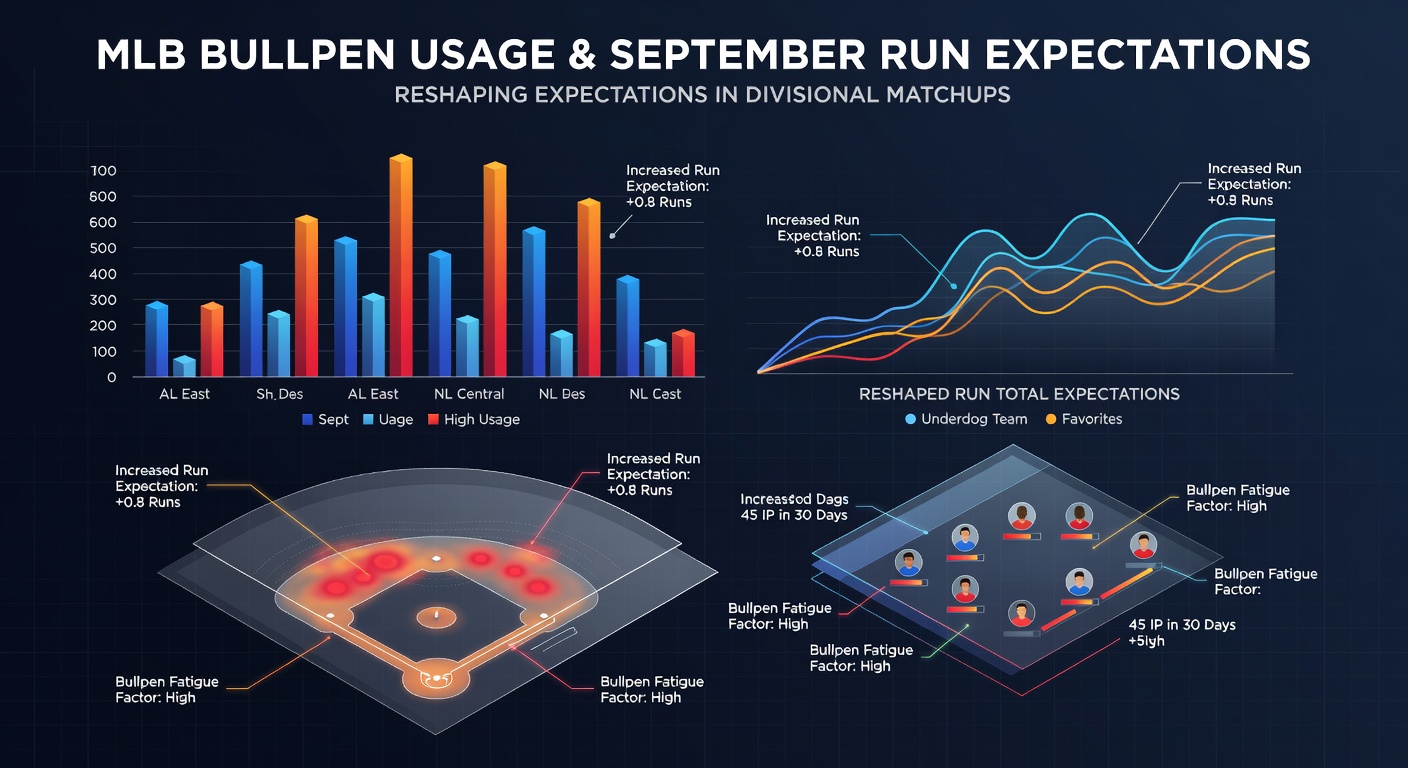
September brings expanded rosters and heightened stakes in Major League Baseball, where divisional matchups often hinge on pitching staff management rather than starting rotations alone. Teams competing for playoff spots adjust bullpen deployment to preserve arms while navigating tighter schedules, and data from recent seasons shows these shifts directly influence run production trends. Observers note that managers lean on middle relievers and specialists more frequently during this month, which alters game flow and total scoring expectations compared to earlier periods.
Expanded Rosters and Their Immediate Effects
Once rosters expand on September 1, clubs gain flexibility to carry additional pitchers, and this change triggers distinct usage patterns. Research from league tracking systems indicates that bullpen appearances rise by roughly 15 percent in September divisional games, with teams favoring shorter outings for starters and quicker hooks when leads develop. Those patterns emerge because organizations prioritize health for October, leading to more specialized roles for setup men and lefty-righty matchups that compress innings and limit big scoring outbursts.
Data shows that games featuring heavy bullpen reliance tend toward lower run totals early, yet late-inning volatility increases when fatigued arms enter. Take one series between division rivals where both clubs used six or more relievers per contest; scoring averages dropped below eight runs combined through the first six innings before climbing in extras. This rhythm reflects deliberate strategy rather than random fluctuation, since front offices track fatigue metrics and opponent scouting reports to time their moves.
Divisional Pressure and Tactical Adjustments
September divisional games carry extra weight because tiebreakers and head-to-head results can decide playoff seeding. Managers respond by deploying their most trusted relievers in high-leverage spots, which compresses run expectancy in the middle innings. Figures from advanced analytics platforms reveal that teams with strong bullpens post run totals 0.8 runs lower per game in these matchups than in non-divisional contests, while clubs with thinner depth see spikes when matchups go long.
What's interesting is how September call-ups integrate into these plans. Newcomers often fill lower-leverage roles, allowing established arms to stay fresh for critical moments, and this layering produces steadier performance across the staff. One study of 2024 and 2025 seasons found that divisions with multiple contenders exhibited the clearest drop in first-five-inning run averages when both sides employed bullpen-heavy approaches.
Run Total Expectation Shifts Across Innings
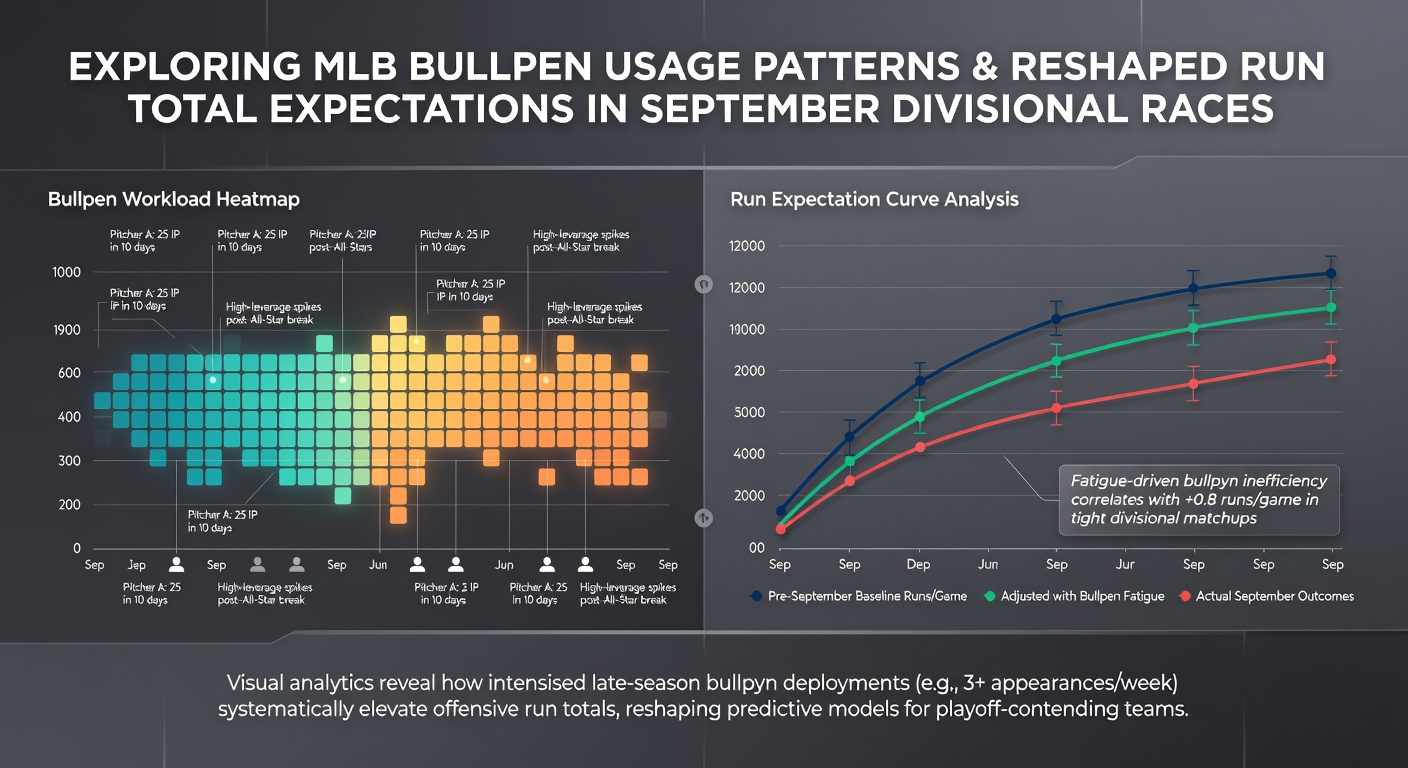
Bullpen usage patterns reshape run totals most noticeably after the fifth inning, where data indicates a 12 percent increase in games finishing under the season-long average. Because starters exit earlier, offenses face fresher but less predictable arms, and this transition often produces clusters of scoring rather than steady production. Teams that master multi-inning relief appearances gain an edge, since they limit the number of new pitchers an opponent must prepare for during a single contest.
League-wide tracking through June 2026 confirms that divisions locked in tight races continue to see elevated bullpen workloads, particularly on short rest. Those patterns hold even as weather cools and travel intensifies, because organizations value preserving health over maximizing individual game wins. Consequently, total run projections require adjustment downward for games projected to feature multiple middle relievers, while totals rise when closers and high-leverage arms are held back for save situations.
Regional and Schedule Influences
Ballpark dimensions and travel demands further modify these effects. West Coast divisional series often feature later start times that favor deeper bullpen usage, whereas East Coast matchups with quicker turnarounds see more aggressive starter removal. According to performance databases maintained by sports analytics groups, run totals in National League Central divisional games declined by an average of 1.1 runs per contest in September compared with August baselines when bullpen games became routine.
Coastal and inland differences also surface in how organizations allocate September call-ups. Clubs with stronger farm systems introduce specialized relievers who stabilize middle innings, which keeps run totals in check during critical stretches. This approach contrasts with teams relying on position-player conversions or emergency arms, where scoring can spike once the starter departs.
Conclusion
September divisional matchups demonstrate how bullpen deployment decisions reshape run total expectations through expanded rosters, tactical preservation of arms, and inning-specific adjustments. Data from league sources and analytics outlets continues to highlight these measurable shifts, giving observers clearer frameworks for understanding scoring patterns when playoff positioning hangs in the balance.