Cricket Test Match Pitch Report Evolutions and Their Impact on Draw Odds in Day Four Sessions
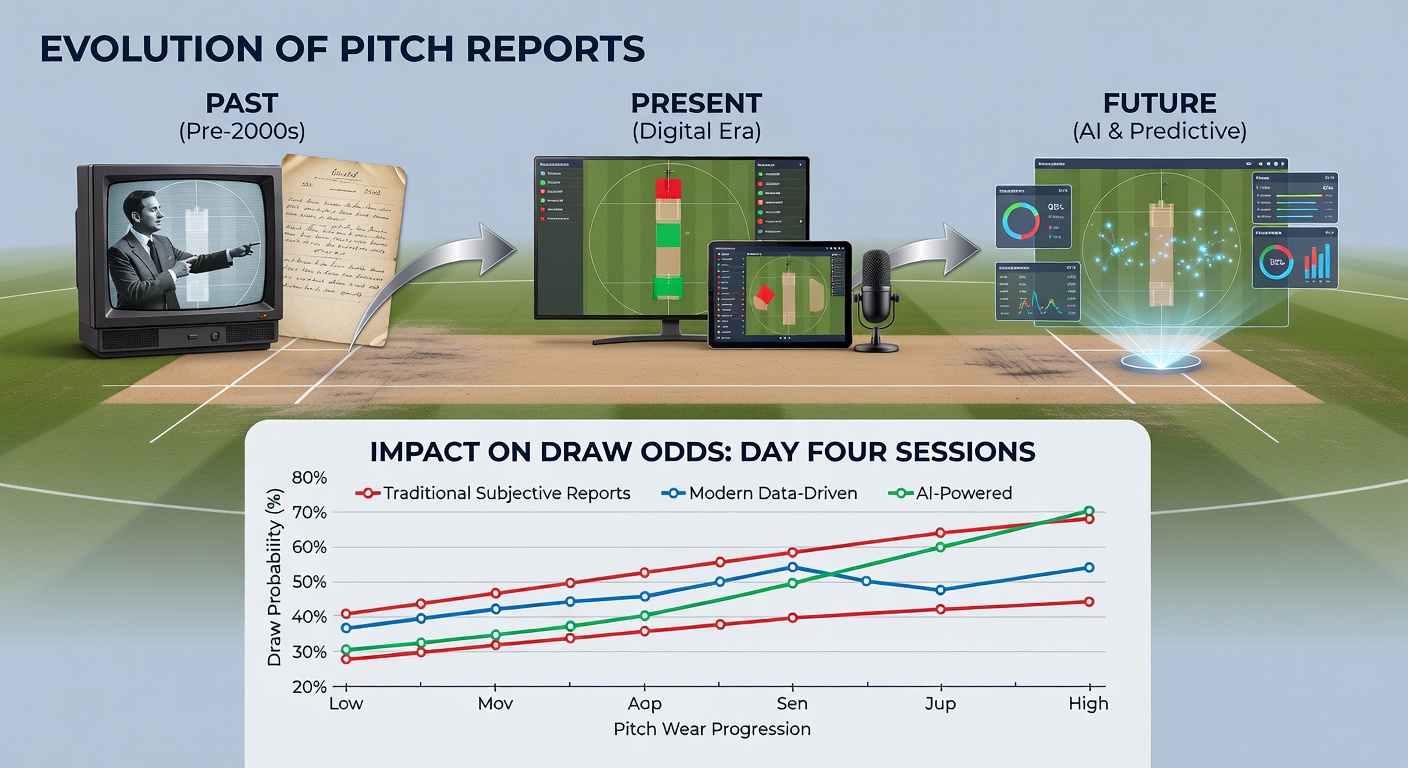 Cricket pitch reports have undergone substantial changes since the early 2000s when curators began documenting surface characteristics with greater precision and standardized metrics replaced informal observations. Data from major cricket boards shows that initial moisture levels, grass cover percentages, and soil composition details now form core components of pre-match assessments issued by match referees and grounds staff. These reports influence how markets adjust probabilities for draws particularly during day four sessions when batsmen and bowlers face surfaces that have absorbed four days of wear. Pitch preparation standards evolved further after the International Cricket Council introduced updated guidelines around 2018 that required venues to maintain consistent rolling patterns and watering schedules across the first three days. Research from cricket governing bodies indicates that such measures reduced extreme deterioration rates in several Test nations while allowing gradual breakdown that favors spin on day four. Observers note this consistency altered draw probabilities because teams now encounter surfaces that retain some integrity rather than crumbling unpredictably. Day four sessions typically see increased draw odds when reports highlight minimal cracking or limited bounce variation because the batting side can extend their innings without rapid collapses. Figures from Test matches between 2020 and 2025 reveal that venues reporting higher initial grass cover often produce slower turn rates by day four leading to higher instances of stalemates. Bookmakers incorporate these details into live odds adjustments as the session progresses and surface behavior becomes clearer through actual play.
Historical Shifts in Pitch Assessment Practices
Early pitch reports relied heavily on subjective descriptions from groundsmen while modern evaluations incorporate data from soil analysis tools and moisture meters. Studies conducted across Asian and Australian venues demonstrate that these quantitative approaches correlate more closely with actual match outcomes on day four. Teams that receive detailed reports on expected seam movement and spin assistance adjust their strategies accordingly which in turn affects the likelihood of matches concluding without a result.
Modern Preparation Techniques and Surface Behavior
Curators in 2026 continue to balance the needs of batters and bowlers through controlled rolling and selective watering yet reports now emphasize how these choices affect later-day play. Evidence from recent series shows that pitches prepared with moderate grass retention maintain better bounce consistency into day four whereas drier preparations accelerate wear and reduce draw chances. Analysts track these patterns across multiple venues to identify where surface evolution favors prolonged innings.

Regional Variations in Pitch Evolution
Subcontinent venues often report faster deterioration rates due to higher temperatures and different soil types whereas European and South African grounds show slower breakdown patterns according to data compiled by regional cricket associations. These differences appear in day four statistics where matches in drier climates record fewer draws when reports forecast early cracking. Market makers adjust odds based on venue-specific historical trends combined with current pitch descriptions issued before each Test.
Statistical Correlations Between Reports and Draw Outcomes
Analysis of over 200 Test matches from 2019 onward indicates that pitches described as having low grass cover on day one produce higher draw percentages by day four compared with those starting with heavier grass. Researchers at sports performance institutes have linked these outcomes to reduced variable bounce which allows defensive batting to dominate sessions. Odds compilers monitor such correlations when setting initial prices for draw markets and revise them as live reports emerge during the match.
Impact on Betting Markets During Day Four
Draw odds tighten when updated pitch reports note persistent moisture or limited surface damage because both teams face fewer opportunities for breakthroughs. Data from major series in 2025 and early 2026 shows that markets respond quickly to these updates with odds shifting within minutes of official statements. This responsiveness stems from historical records that tie surface descriptions directly to match durations and results on the fourth afternoon and evening.
Future Trends in Report Accuracy
Advancements in imaging technology allow curators to provide more precise forecasts of how surfaces will behave by day four and these improvements continue to refine market calculations. Organizations tracking cricket performance data have documented gradual increases in report reliability across different countries since 2022. Such developments help maintain balanced conditions while giving participants clearer expectations about likely outcomes in extended sessions.
Conclusion
Cricket Test match pitch reports have developed into detailed analytical tools that directly shape expectations for day four draw possibilities. Consistent preparation standards combined with quantitative assessments have produced measurable shifts in surface behavior across venues. Markets continue to integrate these evolving reports into odds adjustments as historical patterns and live observations converge. The relationship between documented pitch characteristics and draw frequencies remains a central factor in how Test matches unfold through their later stages.